Keeping your yard mosquito-free in Tulsa is essential for enjoying outdoor activities without the annoyance of bites. By implementing effective strategies, you can significantly reduce mosquito populations and create a more pleasant environment for family and friends. This guide covers practical tips, common breeding grounds, and when to consider professional help.
Mosquito control is a series of practices aimed at reducing mosquito populations and minimizing their impact on outdoor living. Understanding the factors that contribute to mosquito presence in your yard is crucial for effective management.
Why Keep Your Yard Mosquito-Free?
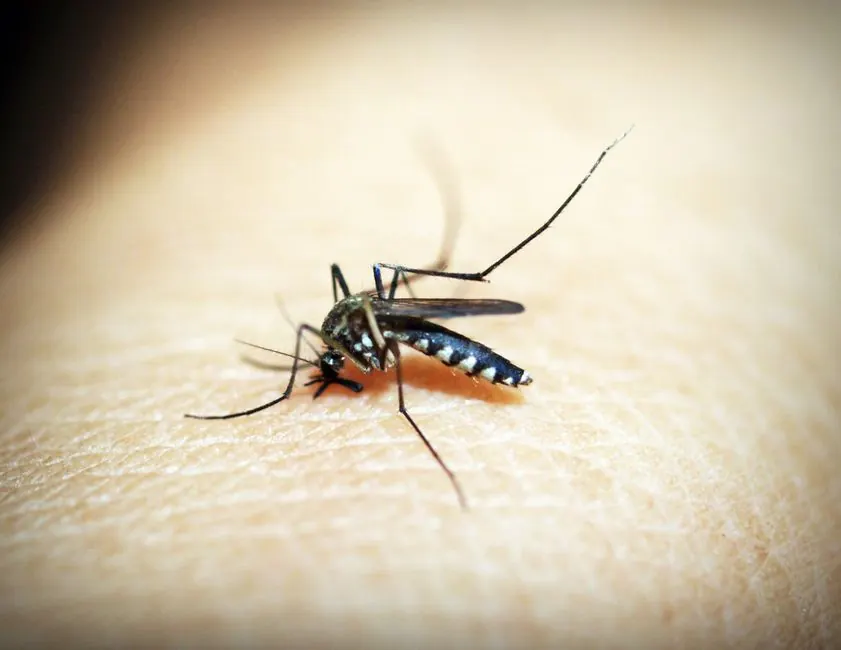
A mosquito-free yard enhances your outdoor living experience. In Tulsa, where summer temperatures can soar, mosquitoes can quickly become a nuisance during evening gatherings or weekend barbecues. Moreover, mosquitoes are not just annoying; they can transmit diseases like West Nile virus and Zika virus, which pose health risks to you and your loved ones.
Common Mosquito Breeding Grounds
Identifying and eliminating mosquito breeding grounds is the first step in effective mosquito management. In Tulsa, these areas typically include:
- Standing water from rain or irrigation
- Clogged gutters
- Bird baths and pet water bowls
- Puddles in low-lying areas
- Unused tires or containers that collect rainwater
Regularly inspecting your yard for these potential breeding sites will help you stay ahead of mosquito populations.
Effective Mosquito Prevention Tips for Tulsa
Implementing mosquito prevention tips in Tulsa can dramatically reduce the number of mosquitoes in your yard. Here are some effective strategies:
- Eliminate Standing Water: Regularly check for and remove any standing water sources, as these are prime breeding grounds for mosquitoes.
- Maintain Your Yard: Keep your lawn mowed and trim back overgrown vegetation, which can provide shelter for mosquitoes.
- Use Mosquito-Repellent Plants: Consider planting mosquito-repellent plants such as citronella, marigolds, and lavender to deter these pests naturally.
- Install Screens: Ensure that windows and doors have screens to prevent mosquitoes from entering your home.
- Use Outdoor Fans: Mosquitoes are weak fliers, so using fans on your patio can help keep them away during gatherings.
- Professional Mosquito Control: For severe infestations, consider hiring a professional for mosquito control services that target the pests effectively.
Best Practices for Mosquito Management in Tulsa
In addition to the tips mentioned, adopting best practices for mosquito management will help you keep your yard mosquito-free in Tulsa:
- Regularly inspect your property for potential breeding sites and remove them.
- Consider using larvicides in standing water that cannot be eliminated.
- Schedule regular treatments with a pest control service to maintain low mosquito populations.
- Educate your family and neighbors about the importance of mosquito control and prevention.
When to Call a Professional
If you find that your efforts to manage mosquitoes are not yielding results, it may be time to call in the experts. Professional pest control services can provide targeted treatments, ensuring that your yard remains a safe and enjoyable space. Tulsa Pest Pros offers comprehensive mosquito control solutions tailored to local conditions.
Frequently Asked Questions
How can I keep my yard mosquito-free in Tulsa? Regularly inspect your yard for standing water, maintain your landscaping, and consider using mosquito-repellent plants.
What are the best mosquito prevention tips for Tulsa? Eliminate standing water, keep your yard tidy, and use outdoor fans to deter mosquitoes.
Are there pest control services for yards in Tulsa? Yes, many pest control services, including Tulsa Pest Pros, offer effective mosquito control solutions for yards.
How often should I treat my yard for mosquitoes? It's advisable to treat your yard every 21 days during the peak mosquito season to maintain effectiveness.
Can I use DIY methods for mosquito control? Yes, there are many DIY methods, such as using essential oils or homemade traps, but professional services often provide more comprehensive solutions.